How to Host a Seasonal TV Night That Encourages Conversation: A Step-by-Step Method
Introduction
Television continues to be a common ground for sharing stories, opinions and cultural references. Turning an ordinary viewing session into a seasonal TV night with a conversational focus is a low‑effort way to deepen connections and notice cultural patterns together. Below is a clear, repeatable method you can use any time of year, followed by variations and troubleshooting advice to keep the event smooth and inclusive.
Step-by-step method
-
Define the occasion and tone (1 week ahead).
Decide whether the evening is casual, exploratory or themed. For a seasonal frame, pick a motif that fits the time—autumn nostalgia, summer lightness, winter reflections or spring renewal. Communicate the tone to guests so expectations align.
-
Choose the program thoughtfully (4–5 days ahead).
Pick a short film, an episode, a documentary segment or curated clips that fit the theme and run 45–90 minutes. Aim for material with clear entry points for conversation (an unresolved scene, a cultural reference, a moral ambiguity). Share a brief summary with guests so they can decide whether to come.
-
Prepare the viewing environment (1 day ahead).
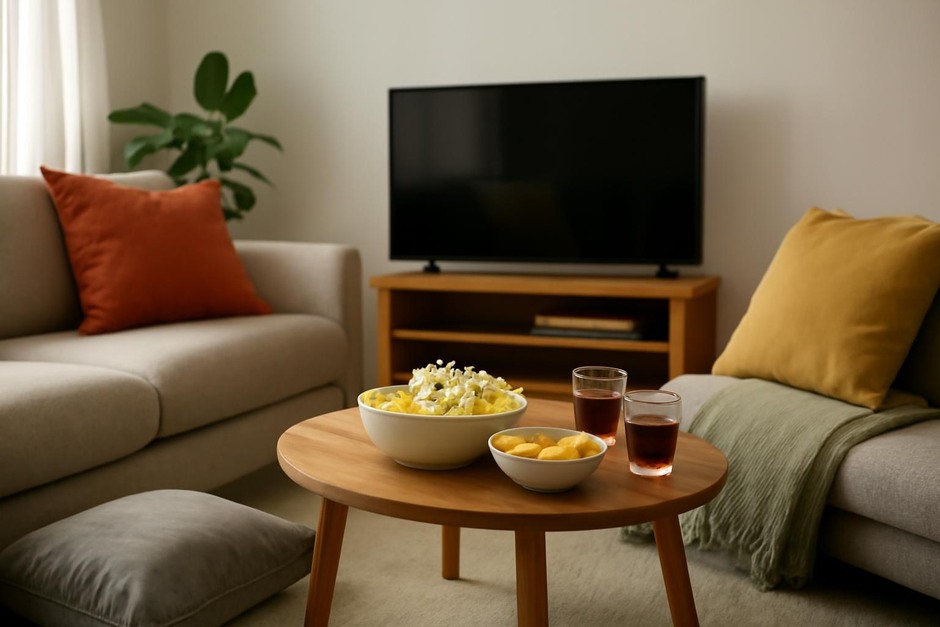
Arrange seating for comfortable eye contact and clear sight lines rather than a rowed audience setup. Check sound levels, lighting and any subtitles. Offer basic accessibility accommodations like captioning or headphones for those who may need them.
-
Create a short viewing plan (5–10 minutes before).
Decide whether you will watch straight through or pause at two planned moments for micro-discussions. A simple guideline—watch for 30–45 minutes, pause for a 10–12 minute reflection, then finish—helps structure conversation without breaking immersion.
-
Frame the conversation (immediately after viewing).
Open with a neutral prompt that encourages observation rather than judgment, for example: “What detail caught your attention?” or “Which scene felt most familiar or surprising?” Give everyone a chance to respond by going around the room or using a talking object to indicate the speaker.
-
Use guiding questions and note cards (during conversation).
Have three to five prepared prompts written on cards—one about craft (direction, editing), one about theme (what the program says about the season), one about personal connection, and one playful question. Rotate through them if the discussion stalls.
-
Close with a low‑pressure wrap (last 10 minutes).
Summarize highlights, invite one takeaway each, and propose a follow-up (next theme or a resource to watch before the next meeting). Keep commitments optional to maintain an informal, recurring rhythm.
Practical logistics
- Limit the guest list to 6–12 people for conversational intimacy.
- Set a clear start and end time—90–120 minutes total keeps it manageable.
- Offer light snacks and drinks but avoid heavy meals that encourage moving away from the conversation.
Variations
-
Family-friendly version.
Choose shorter programs and include an activity related to the viewing (drawing a scene, a simple role play). Use simpler prompts: “What would you do if you were that character?” Keep discussion fast-paced and playful.
-
Neighborhood or block watch.
Host outdoors in mild weather with portable projection and community-sourced snacks. Use themes tied to the season—harvest films in autumn, seaside stories in summer—to invite locals who might not come to a private living room.
-
Hybrid or online watch.
Use a shared time to press play together and a video call or chat for discussion. Designate a moderator to read chat questions aloud and ensure everyone’s voice is heard.
-
Themed miniseries nights.
Run a short series of two or three episodes across consecutive weeks with a consistent frame—seasonal motifs or historical periods—and invite recurring reflections on changes in perception.
Troubleshooting
-
Low attendance.
Keep invitations informal and share a compelling one-sentence hook about the program. If numbers are small, embrace the intimacy and reframe it as an in-depth salon rather than a social failure.
-
Conversation stalls.
Use one of your prepared cards to restart discussion, ask participants to name a single image that stayed with them, or break into pairs for 5 minutes and then share back.
-
Overheated debates.
Calmly remind the group of the evening’s tone and use a pause to acknowledge strong feelings. Reintroduce ground rules: listening time, no interruptions, and optional deeper conversations after the main event.
-
Technical problems.
Have a backup device or a printed excerpt to read aloud. If streaming fails, pivot to a themed discussion or share personal stories related to the season instead of the program.
By combining a clear structure with seasonal imagination and a few simple tools, a TV night can shift from passive viewing to a meaningful cultural exchange. Adjust the method to the group’s size and energy, and keep an eye on accessibility to make the conversation welcoming for everyone.